Ramadan, the ninth month of the Islamic calendar, is observed by Muslims worldwide through fasting, prayer, reflection, and community. It is one of the most spiritual times of the year, marking the period when the Qur’an, Islam’s central religious text, was revealed. Ramadan encourages self-discipline, gratitude, mindfulness, and empathy, with practices varying by culture, tradition, and individual circumstances.
In the UK, Ramadan 2026 began on Wednesday, 18th February, and will end on the evening of Thursday, 19th March, though dates may vary depending on the lunar cycle and moon sighting.
At Van Elle, we value diversity and strive to create an inclusive environment. During Ramadan, this means supporting colleagues with fasting, prayer, and energy considerations while fostering respect and understanding of different traditions.
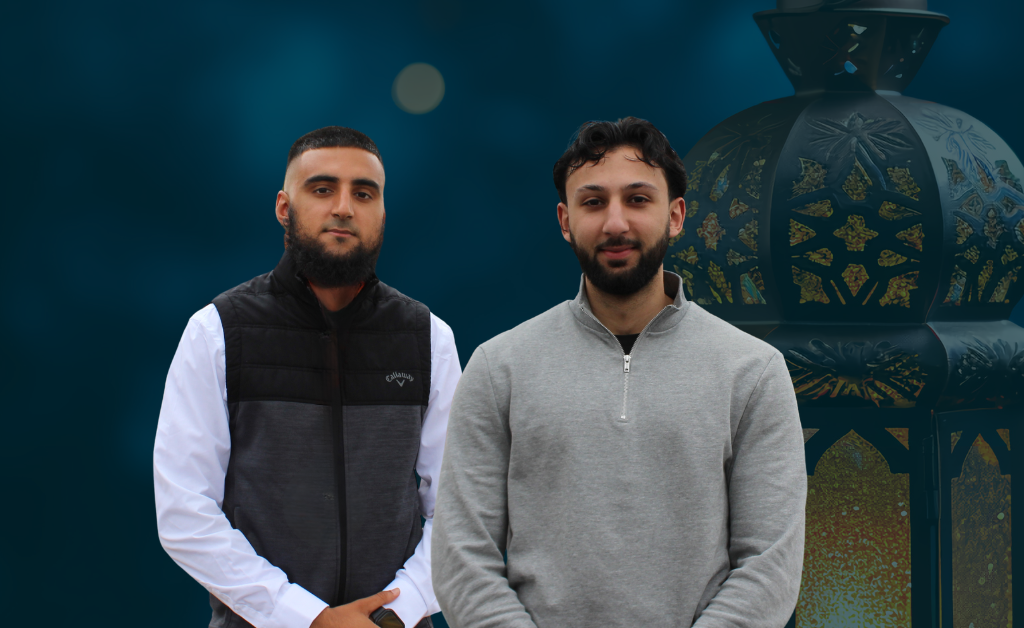
This year, two of our colleagues, Adam Bahadur, Graduate Engineer, and Mahaz Khan from the Commercial Department, share their personal reflections and what they hope others will understand about this important month.
What does Ramadan mean to you personally?
Adam: For me, Ramadan is a reset button for the soul. It is a time to step back from the busyness of daily life and focus on self-discipline, gratitude, and spiritual growth. It reminds me to be mindful of those less fortunate and to appreciate the blessings I often take for granted.
Mahaz: Ramadhan is a month of reflection, patience, and gratitude. Fasting reminds me how little I really need and how fulfilling small blessings can be. It strengthens my connection with God and humbles me, especially when I sit in front of food before sunset thinking of those less fortunate. Sharing meals and moments with family and neighbour’s makes the month feel deeply human and connected.
How do you manage fasting during work, and how has the team supported you?
Adam: Van Elle has been fantastic in providing hybrid working options. Being able to work from home allows me to manage my energy better and, most importantly, to open my fast and pray with my family. That connection at the end of the day is very special.
Mahaz: I manage fasting at work by keeping a steady routine, praying on time, and pacing myself to avoid overstrain. I plan my day so I can break my fast properly and stay focused. My team supports me by understanding that fasting can be tiring. A little flexibility, such as working from home sometimes, helps me pray at my mosque and break my fast with family, especially since I live away from home for this role.
What is one thing you would like colleagues or others to understand about Ramadan?
Adam: It is not just about not eating. It is a holistic practice of being the best version of myself, practicing patience, kindness, and avoiding negative speech or thoughts. It is a month of intensive character training.
Mahaz: Ramadhan is a time of blessing and reflection. If I am quieter at times, it is because I am keeping myself in remembrance of God and asking for strength to keep going. It is not about being distant; it is about staying patient, calm, and focused. Fasting is also an open invitation, so if anyone wants to try, feel free and I would be happy to do it together.
Are there any misconceptions about Ramadan you’d like to clear up?
Adam: A common misconception is that people feel they should not eat or drink around me. Please do not feel awkward. Part of the spiritual exercise is maintaining my discipline regardless of what is happening around me, and I actually appreciate the normality.
Mahaz: That every Muslim must fast, but that is not true. People who are ill, elderly, travelling, or in certain circumstances are exempt. Fasting does not make us too weak to work; we are encouraged to continue our day as normal. Ramadhan is about patience, discipline, self-control, and remembrance of God. Some may think it is hard, but many Muslims say it is the best time of the year, and anyone is welcome to try it.
How do you celebrate the end of Ramadan (Eid)?
Adam: Eid al-Fitr is a massive celebration. It starts with a special morning prayer, followed by a day of feasting, wearing traditional clothes, and spending time with family and friends. It is like our version of Christmas, with food, gifts for children, and a strong sense of community. Sharing these experiences helps everyone appreciate the significance of Ramadan and the values it brings.
Mahaz: I start Eid with a special prayer and a moment of gratitude for completing Ramadan. After that, it is all about family. I visit relatives, share traditional foods from my village, and give Eidi (gifts) to younger cousins while receiving blessings from elders. We also visit the graves of loved ones, pray for them, and reflect on the importance of keeping the good intentions, discipline, and prayers from Ramadan alive throughout the year.
Hearing from Adam and Mahaz gives us a deeper understanding of what Ramadan means on a personal and spiritual level. Their reflections highlight patience, gratitude, and the importance of family and community.
At Van Elle, we are proud to support our colleagues during this special month and to celebrate the diversity, values, and perspectives they bring to our workplace.